

To learn how to read an Italian menu, start with its usual progression from antipasti and primi to secondi, contorni and dolci. You do not need to order every course: choose the dishes that suit your appetite, time and table. Pasta is usually a course in its own right, while sides may be ordered separately.
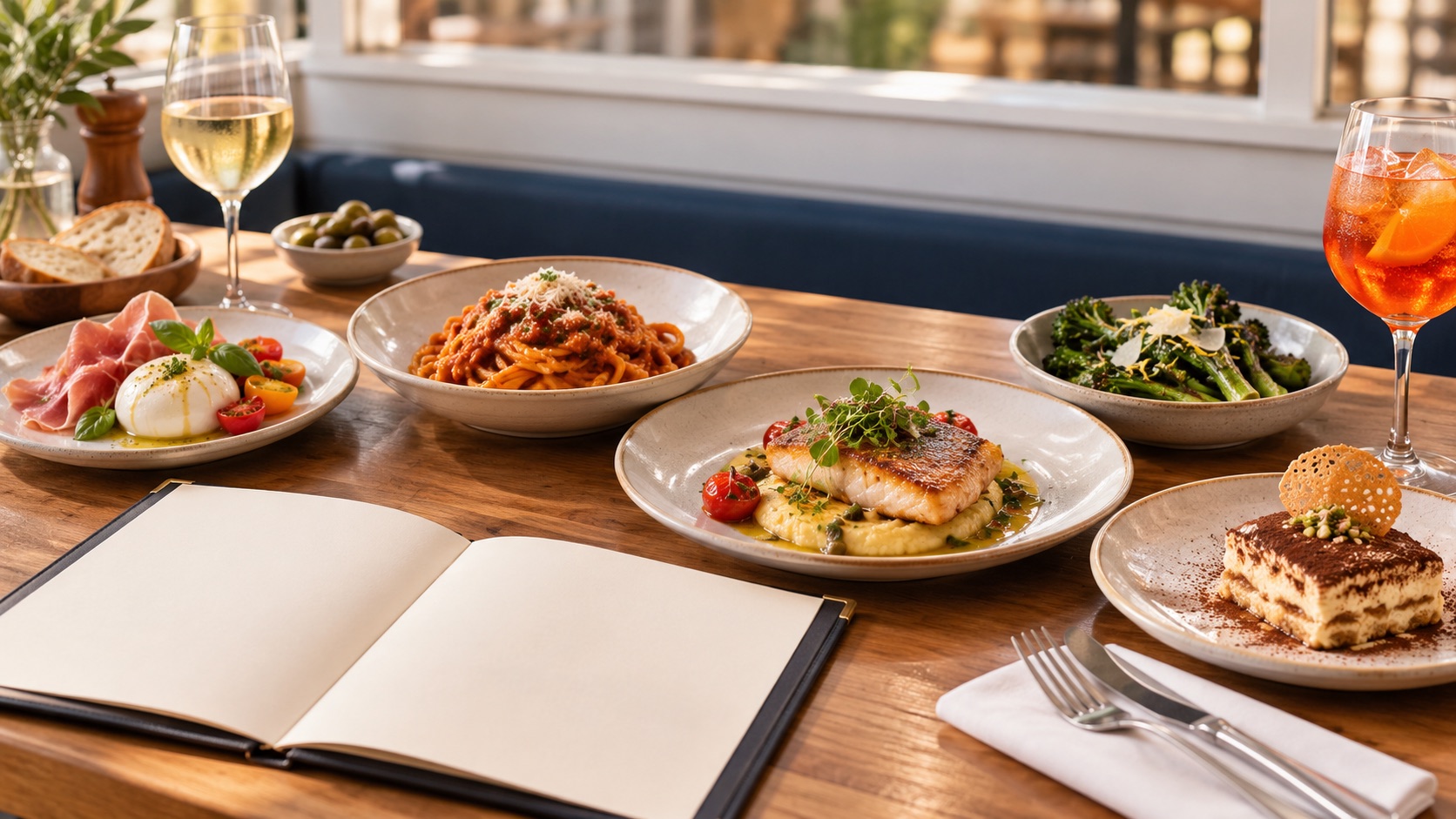
At Il Vento Italian Restaurant & Woodfire Pizza, Mooloolaba, this guide can help you read menu sections, recognise common Italian terms and decide what to order. General Italian dining traditions vary, so check the current menu and ask staff about individual dishes before placing your order.
Key Takeaways
Antipasti are starters and often work well as shared dishes.
Primi include pasta, risotto, gnocchi, soup and baked pasta dishes.
Secondi are protein-led dishes, while contorni are separately ordered sides.
Dolci are desserts, followed by coffee or a digestivo if desired.
Check ingredients, cooking terms, portions and dietary details before ordering.
The Five Main Sections Of An Italian Menu
The five main sections of an Italian menu show the usual order of a meal, from starters through to dessert. best dishes at an Italian restaurant, primi are first substantial courses, secondi centre on protein, contorni are sides, and dolci finish with something sweet.
You can order one course or several, depending on time, hunger and the occasion. Some menus also include aperitivo, formaggi, caffè and digestivi outside this core structure.
| Italian Menu Heading | Meaning | Typical Dishes | Ordering Advice |
|---|---|---|---|
| Antipasti | Starters | Olives, bruschetta, arancini | Often good for sharing |
| Primi | First substantial course | Pasta, risotto, gnocchi | Order alone or before a main |
| Secondi | Protein course | Fish, chicken, beef | Check whether sides are included |
| Contorni | Side dishes | Greens, salad, potatoes | Choose separately if wanted |
| Dolci | Desserts | Tiramisù, gelato, cannoli | Optional sweet finish |
Antipasti: Shared Starters Before The Meal
Antipasto means a single starter, while antipasti means several starters. Common choices include olives, bruschetta, arancini, burrata, carpaccio, cured meats, cheese and fritto misto.
An antipasto misto, or mixed starter selection, often suits sharing. It reflects convivialità: the Italian practice of enjoying food and company together, a value rooted in broader Italian cultural traditions around hospitality and meals.
Primi: Why Pasta Is A Course, Not A Side Dish
Primi are the first substantial dishes, usually fresh pasta restaurant, soup, polenta or baked pasta. A primo can be enough for a meal or can come before a secondo.
fresh pasta guide Mooloolaba, while ravioli commonly appears with lighter sauces. Linguine is often served with smooth or seafood sauces, and al dente means firm to the bite rather than soft.
Secondi: What Is The Main Course On An Italian Menu?
Secondi are protein-led dishes such as meat, seafood, poultry or vegetable-based mains. Grigliato or alla griglia means grilled, arrosto means roasted, brasato means braised, and al forno means oven-baked.
A secondo often arrives as a standalone dish. Check the description before expecting chips, salad, potatoes or vegetables on the plate.
Contorni: Why Are Italian Side Dishes Ordered Separately?
A contorno is one side dish, while contorni means several sides. Menus may list roast potatoes, sautéed greens, grilled vegetables, salad, spinach or seasonal vegetables.
Separate sides give couples, families and groups more choice. Lighter vegetables can suit rich braised dishes, while potatoes often pair well with grilled fish or meat.
Dolci: How Does An Italian Meal End?
Dolce means dessert, while dolci means desserts. Familiar choices include tiramisù, panna cotta, gelato, cannoli, semifreddo and affogato.
Caffè usually means coffee, while digestivi are after-dinner drinks such as limoncello, amaro or grappa. Dessert is optional, but it can provide a light or rich finish.
How Do You Decode Italian Menu Words And Dish Descriptions?
Italian menu words usually indicate the main ingredient, flavour or cooking method, and learning common food vocabulary can help diners identify dish styles and ask informed questions before ordering.
| Group | Useful Italian Words | Meaning |
|---|---|---|
| Ingredients | pomodoro, aglio, basilico, limone, funghi | tomato, garlic, basil, lemon, mushrooms |
| Cheese and meat | pecorino, parmigiano, guanciale | sheep’s milk cheese, Parmesan, cured pork cheek |
| Seafood | frutti di mare | mixed seafood |
| Flavour | piccante, crema | spicy, creamy sauce or cream |
| Cooking | crudo, marinato, stagionale | raw, marinated, seasonal |
Con means with, while senza means without. Del giorno means of the day, and della casa means the restaurant’s house style.
Classic sauce names also offer useful clues. Ragù is generally a slow-cooked sauce, carbonara commonly uses egg, cheese, cured pork and pepper, while arrabbiata is a spicy tomato sauce.
Pesto often contains basil, garlic, nuts, cheese and olive oil. Cacio e pepe means cheese and pepper, aglio e olio means garlic and oil, and frutti di mare signals seafood.
regional Italian cuisine, Siciliano, Toscano and Napoletano suggest a place or style. They do not indicate one fixed recipe, as traditional vs modern Italian cuisine.
How Should You Order An Italian Meal For Your Appetite, Group And Dietary Needs?
Ordering an Italian meal works best when you decide how much food the table wants first. Choose a light meal, a shared spread or several courses before looking closely at each dish.
A simple ordering sequence, similar to common Italian dining phrases used when speaking with waitstaff, keeps the meal balanced:
Choose whether you want one course or a longer meal.
Tell staff about allergies or dietary needs.
Pick the dish you most want to eat.
Add shared antipasti or contorni if needed.
Decide on dolci, coffee or drinks afterwards.
For a light meal, consider shared antipasti with pasta or another substantial dish. For date night in Mooloolaba, share a starter, order two primi or secondi, then consider one dessert.
group dinner Italian dining, shared antipasti and sides can offer variety without everyone ordering the same dish. Ask staff about portions, timing and whether particular family-friendly Italian dining.
Gluten-free, vegetarian, vegan and allergy-sensitive diners should ask about pasta, stock, cheese, butter, nuts, seafood, frying oil and cross-contact. Before ordering, review the Il Vento Italian Restaurant & Woodfire Pizza, Mooloolaba menu for the latest listed details.
Editorial review note: Confirm menu items, dietary information and the verified booking route before publication. Dish availability may change.
In Summary
Italian menus usually move from antipasti to primi, secondi, contorni and dolci. Antipasti are starters, primi include pasta and risotto, secondi focus on protein, contorni are separate sides, and dolci are desserts.
Italian dining experience, so order one dish or enjoy several courses. At Il Vento Italian Restaurant & Woodfire Pizza, Mooloolaba, review the current menu, ask about portions and ingredients, and choose a meal that suits your occasion, appetite and group.
Frequently Asked Questions
Frequently asked questions about Italian menus often concern portion sizes, course order and dietary needs. These short answers explain what to expect before placing an order.
Do You Have To Order Every Course On An Italian Menu?
No. You can order one dish, two courses or a full meal. Let your appetite, budget, time and occasion guide the choice, as the menu order is a guide rather than a rule.
Is Pasta A Main Course In Italy?
Pasta is traditionally a primo, or first substantial course. It can also be a complete meal, particularly when the portion is filling. Ask staff about serving size if you are unsure.
What Is The Difference Between Antipasti And Contorni?
Antipasti are starters served before the main part of the meal. Contorni are side dishes chosen alongside a secondo, such as salad, roast potatoes or grilled vegetables.
Why Do Italian Main Courses Not Always Come With Sides?
Italian menus often separate secondi from contorni. This allows diners to select vegetables, potatoes or salad separately, though individual menu items may include different accompaniments.
What Should I Ask If I Have An Allergy Or Dietary Requirement?
Tell staff clearly about allergies and medical dietary needs before ordering. Ask about sauces, stock, pasta, garnishes, frying oil, nuts, seafood and possible cross-contact.