
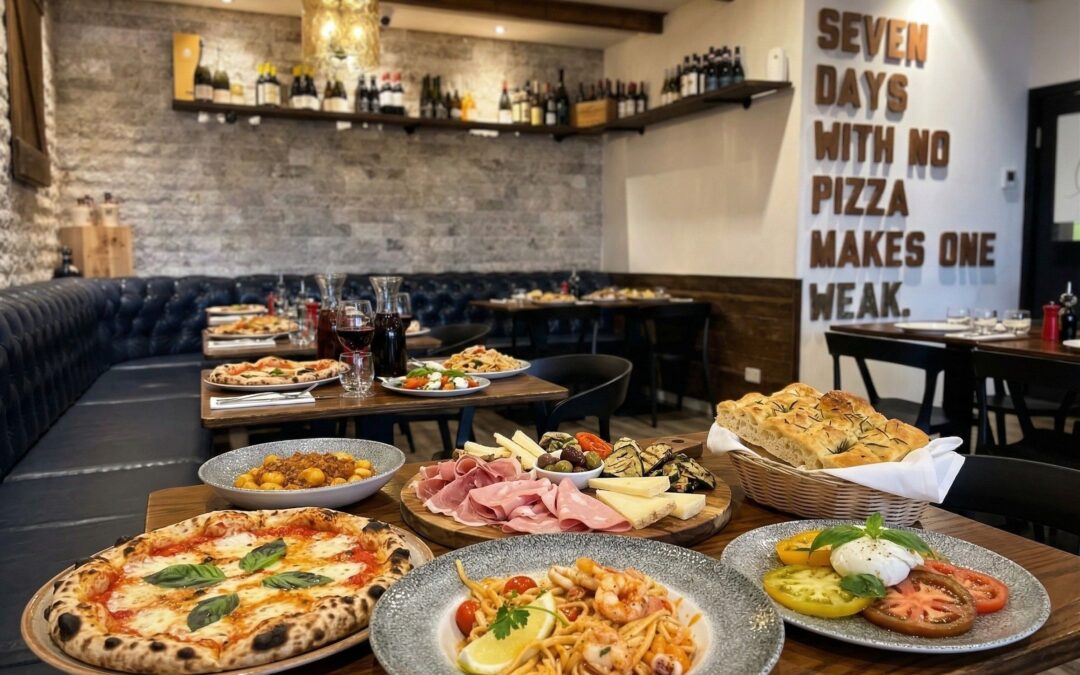
Regional Italian cuisine refers to the separate cooking traditions of Italy’s 20 regions, each shaped by its geography, climate, and history. Far from one “Italian menu,” these varied food cultures celebrate local ingredients and traditional recipes, showing a wide range of flavours from the butter-rich North to the olive-and-seafood-heavy South.
Exploring Regional Italian Cooking: A Look at Flavours
The very mention of Italian food brings to mind bubbling pizzas, rich pasta sauces, and tables filled with family and laughter. While these images are wonderfully true, they only tell part of the story. To truly understand Italian food is to begin exploring its twenty separate regions, each having its own proud cooking identity. The idea of a single “Italian menu” is a delightful myth; the reality is a rich collection of flavors known as regional Italian cuisine.
“Food in Italy is never just ‘food.’ It is history, geography, tradition, and love, all served on a plate.” – Carlo Petrini, founder of Slow Food
Long before Italy became a unified country in 1861, it was a collection of city-states, kingdoms, and duchies — a history that deeply shaped its food culture, as explored in research on Italian culture through food. This historical separation, combined with varied geography—from the snow-capped Alps in the north to the sun-drenched Mediterranean islands in the south—created a mix of separate food cultures. The North, with its cooler climate and fertile plains, developed a taste for butter, cream, rice for risottos, and polenta. Central Italy’s rolling hills and rustic traditions led to cooking centred on olive oil, filling meats, and legumes. Meanwhile, the South became a celebration of sunshine, with plenty of seafood, tomatoes, citrus, and simple sauces.
This guide is your way to exploring Italian food by region. We will travel from the Alpine foothills to the shores of Sicily, finding the stories, ingredients, and main dishes that make each area special. By the end, you’ll not only appreciate the great variety of Italian cooking but also know how to spot and enjoy real flavors, wherever you may find them.
Important Points
-
Italy has 20 separate food cultures, not one “Italian menu.”
-
Geography, history, and local produce dictate regional flavors.
-
North, Central, and South Italy each offer separate cooking experiences.
-
Realness means respecting these regional traditions and ingredients.
The North: Richness, Butter, and Hearty Comforts
Northern Italian food is a reflection of its landscape and history. Influenced by cooler climates and neighbouring Central European countries, the cooking here is often richer. Butter and cream are frequently used alongside lard, making meals that warm you from the inside out. While pasta is present, staples like rice for creamy risotto and golden polenta are often primary.
-
Piedmont (Piemonte): This is a land of culinary royalty. Imagine the earthy, strong smell of prized white truffles shaved over fresh pasta or a rich egg dish. Piedmont is also home to the powerful Barolo wine, often used to create brasato al Barolo, a melt-in-your-mouth beef braise. The local pasta, agnolotti del plin, are tiny pinched parcels filled with roasted meat. Beyond these, the region’s strong red wines like Barbera and Nebbiolo are perfect with its meat-heavy dishes, reflecting the colder climate.
-
Lombardy (Lombardia): The star of Lombardy is risotto, specifically the iconic, saffron-infused risotto alla Milanese. This region also gives us filling meat dishes like osso buco (braised veal shanks) and the famous breaded veal cutlet, cotoletta alla Milanese. It’s also the birthplace of pungent Gorgonzola cheese and the festive Christmas sweet bread, Panettone.
-
Emilia-Romagna: Often called Italy’s “food valley,” this region is the source of many world-famous products. This is northern Italian cooking at its best, producing Prosciutto di Parma, salty Parmigiano Reggiano, and real Balsamic Vinegar of Modena. It’s the home of fresh egg pasta like tagliatelle, traditionally served with a slow-cooked meat ragù, and stuffed pasta like tortellini and lasagne.
-
Veneto & Liguria: Veneto beautifully balances land and sea, with polenta served alongside seafood fresh from the Adriatic. It’s also where the beloved dessert Tiramisù is said to have been invented. Along the coast, Liguria is famous for its aromatic Pesto Genovese, a bright green sauce of basil, pine nuts, garlic, and olive oil, and the deliciously salty, oily flatbread, focaccia Genovese.
The Centre: Rustic Charms, Olive Oil, and Roman Classics
Central Italy acts as a bridge between the north and south, its cooking defined by rolling hills, ancient olive groves, and a philosophy of cucina povera (peasant cooking). This isn’t about poverty but about resourcefulness—making simple, high-quality local ingredients into very flavourful dishes. Here, olive oil is the undisputed king of the kitchen, and the focus is on strong, earthy flavours that speak of the land.
“The wisdom of cucina povera teaches us that good food isn’t about expense, but about respecting what the land provides and making it with skill and love.” – Lidia Bastianich
-
Tuscany (Toscana): Tuscan cooking is known for its elegant simplicity. Its most famous dish is the Bistecca alla Fiorentina, a thick-cut T-bone steak from Chianina cattle, grilled over coals and seasoned simply with salt and pepper. The region produces some of the world’s finest olive oil, with a clear peppery finish, perfect for drizzling over hearty bean soups like ribollita. The classic Chianti wine also originates here, pairing wonderfully with the region’s rustic meals and grilled meats.
-
Umbria: Known as the “Green Heart of Italy,” Umbria is famous for its dense forests that yield prized black and white truffles. Pork butchery is an art form here, producing great sausages and the celebratory porchetta, a whole deboned pig, stuffed with herbs and roasted until the skin is crackling and crisp.
-
Lazio: The region surrounding Rome is a treasure trove of iconic pasta dishes. These classic Lazio dishes show great simplicity and flavour. They include Cacio e Pepe (Pecorino Romano cheese and black pepper), Amatriciana (cured pork cheek, or guanciale, tomatoes, and Pecorino), and the world-renowned Carbonara, made really with guanciale, egg yolks, and Pecorino—never cream.
-
Marche, Abruzzo & Molise: The region of Marche offers a delightful blend of coastal seafood and hearty inland fare, like the rich baked pasta Vincisgrassi. Further south, the mountainous regions of Abruzzo and Molise are known for their “shepherd’s cuisine.” Lamb is the star, especially in the form of arrosticini (small skewers of lamb grilled over charcoal), and a generous use of peperoncino (chilli pepper) adds a signature spicy kick to many dishes.
The South & Islands: Sunshine, Seafood, and Lively Simplicity
The food of Southern Italy is a true example of the Mediterranean. Bathed in sunshine and surrounded by sparkling seas, its cooking is lively, healthy, and full of life. Olive oil, fresh vegetables, sun-ripened tomatoes, and plenty of seafood form the foundation of southern Italian dishes. The historical influences of Greek, Arab, and Spanish settlers have also woven a rich mix of special flavours into the local cooking.
-
Campania (Naples): This is the undisputed birthplace of pizza. The classic Neapolitan Pizza, with its simple toppings of San Marzano tomatoes, fresh mozzarella di bufala, and basil, is a UNESCO World Heritage treasure. At Il Vento, our woodfired pizzas honour this tradition, showing a smoky, blistered crust that can only come from a true woodfired oven. Campania also gives us great dried pasta from Gragnano and the zesty lemon liqueur, Limoncello.
-
Sicily (Sicilia): An island with its own cooking character, Sicily is a true mix of flavours. Arab influences can be seen in its love for sweet and sour combinations, like the eggplant relish caponata, while dishes like pasta con le sarde (pasta with sardines and wild fennel) speak of its deep connection to the sea. And, of course, Sicily is paradise for those with a sweet tooth, offering the iconic ricotta-filled Cannoli and rich cassata cake.
-
Puglia (Apulia): Forming the “heel” of Italy’s boot, Puglia is a major agricultural hub. It produces a vast amount of Italy’s olive oil and is famous for its signature pasta shape, orecchiette (“little ears”), often served with turnip tops. This is also the home of Burrata, the very creamy cheese with a soft, rich centre.
-
Calabria & Sardinia: Calabria is known for its fiery flavours, where the chilli pepper reigns supreme and the spicy, spreadable pork sausage ‘nduja is a local delicacy. Out on the island of Sardinia, the cuisine is separate and pastoral. You’ll find special pasta like malloreddus, the paper-thin crispy flatbread pane carasau, and celebratory dishes of roasted suckling pig (porceddu), all paired with the sharp, salty local Pecorino Sardo cheese.
Enjoying Real Regional Italian Flavors with Il Vento
Exploring Italy’s varied cooking map is a great adventure, but you don’t need a plane ticket to begin the exploration. Here in Mooloolaba, Il Vento is dedicated to bringing the heart of Italy’s twenty food cultures to your table. Our approach is built on upholding traditional Italian recipes by region and a strong dedication to realness. We believe in letting simple, high-quality ingredients shine, just as they do in Italy.
Our menu is a way to honour this variety. The classic Neapolitan Margherita, cooked in our traditional woodfired oven, is a direct tribute to the flavours of Campania. Our daily house-made pasta is where you can truly taste how tradition makes a difference. You can find the rich simplicity of a Roman Carbonara from Lazio, made correctly with egg yolk and guanciale. Or, you might try a slow-cooked ragù from Emilia-Romagna, perfectly clinging to fresh tagliatelle, or Gnocchi alla Norma, a beautiful vegetarian dish that sings of Sicily.
This dedication to realness applies to our techniques. Our 48-hour fermented pizza dough creates a crust that’s light, digestible, and full of flavor. Our pasta is handmade every morning, giving it the perfect texture to hold onto its sauce. It’s this passion for craft and fresh, seasonal produce that brings true Italian flavor to the Sunshine Coast. We invite you to experience convivialità—the joy of sharing a great meal—with us at our stunning waterfront location.
Questions About Italian Regional Cooking
-
What is the main difference between Northern and Southern Italian food?
Northern Italian cooking often uses butter, cream, and features rice and polenta due to its cooler climate and fertile plains. Southern Italian food, bathed in sunshine, relies heavily on olive oil, tomatoes, fresh herbs, and plenty of seafood, resulting in lighter, more lively dishes. -
Why is pizza so strongly linked with Naples in Southern Italy?
Naples, in the region of Campania, is the historical birthplace of modern pizza. Its nearby volcanic soil produces world-class San Marzano tomatoes, and creamy buffalo mozzarella is a local specialty. The strict traditions of Neapolitan pizza making, cooked in wood-fired ovens, are so important they are UNESCO-protected. -
What does cucina povera mean when talking about Italian food?
Cucina povera translates to “poor kitchen” or “peasant cooking.” It’s an idea found across many regions, especially Central Italy, that focuses on making simple, readily available, and often inexpensive local ingredients into very flavourful and hearty dishes through cleverness and a respect for avoiding waste.
Your Real Italian Meal Awaits at Il Vento
We invite you to begin your own cooking exploration through Italy’s regions, right here at Il Vento. Enjoy the real flavours, great hand-made pasta, and woodfired pizzas that reflect our passion for true Italian tradition. Join us for a memorable dining experience by the Mooloolaba Marina.
Book your table today! Call 07) 5444 8866