
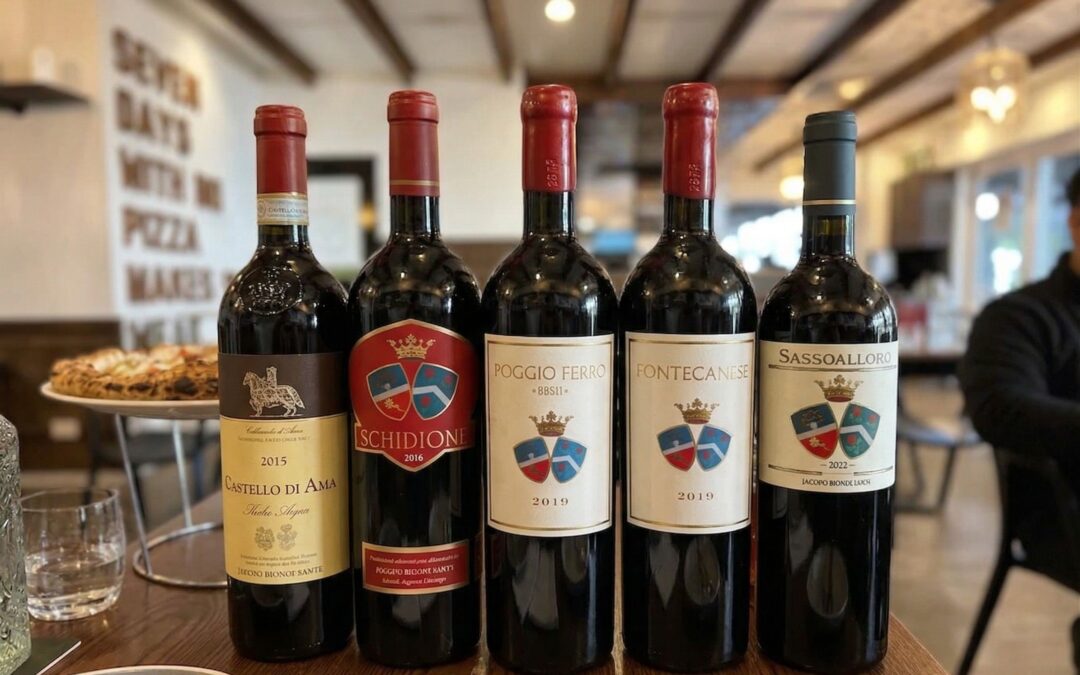
Choosing the perfect wine for different Italian dishes changes a meal into an unforgettable experience. The key involves harmonising flavors by matching regional wines with regional food, balancing wine acidity with rich or tomato-based sauces, and aligning the wine’s body with the food’s intensity. Confidently pairing, whether a crisp Pinot Grigio with seafood pasta or a strong Chianti with a hearty ragu, truly improves Italian dining.
Introduction: Discover the Secrets of Wine for Different Italian Dishes
In Italy, a meal without wine is like a day without sunshine. The connection between a perfectly prepared plate of pasta and a thoughtfully chosen glass of wine is a sacred culinary partnership, a conversation where each improves the other’s finest qualities. For anyone who adores Italian food, from Sunshine Coast locals to holidaymakers visiting Mooloolaba, understanding this relationship is the key to discovering a genuinely traditional dining experience. Choosing the right wine for different Italian dishes doesn’t have to be complicated; in fact, it often follows a simple, beautiful philosophy: “what grows together, goes together.”
This age-old wisdom suggests that a wine from a particular region is the natural partner for a dish born from the same soil. This concept isn’t just a quaint saying; it reflects centuries of culinary evolution where local ingredients and winemaking traditions developed hand-in-hand, creating natural partnerships. It’s a principle that respects tradition and celebrates the harmony of local flavors. Yet, beyond geography, a few simple guidelines about acidity, body, and texture can turn a good meal into a spectacular one. This guide explains the art of Italian wine pairing, helping you feel assured in selecting a wine that makes your favorite dishes sing.
At Il Vento, we are passionate about creating these perfect moments. We believe that guiding our guests to the ideal wine pairing is just as important as crafting our daily house-made pasta. Throughout this article, we’ll share the foundational principles and specific recommendations that will help you navigate Italy’s delicious array of food and wine, making your next meal a memorable celebration.
Key Takeaways: Your Snapshot Guide to Italian Wine Pairing
-
Regionality is most important: The most authentic pairings often come from matching wines with dishes from the same Italian region. This simple rule is a fantastic starting point for any meal.
-
Acidity is your friend: Look for wines with good acidity, as they are brilliant at cutting through the richness of creamy sauces and standing up to the bright flavors of tomato-based dishes.
-
Match body to body: A simple yet effective rule is to pair lighter, more delicate dishes with light-bodied wines, and save the strong, full-bodied wines for hearty, flavor-packed meals.
-
Don’t overthink it: The goal of pairing wine is to improve your enjoyment. Following a few simple guidelines can lead to many delightful discoveries, so there’s no need to feel intimidated.
-
Experiment with assurance: Every palate is different. Don’t be afraid to try something new. At Il Vento, our knowledgeable staff are always on hand to help you find a perfect match.
The Core Principles of Italian Wine Pairing: Crafting Culinary Harmony
The art of pairing wine with Italian food is less about rigid rules and more about creating harmony on the palate. The goal is to find a partnership where both the food and the wine taste better together than they do apart. Understanding a few core principles will give you the framework to make fantastic choices every time, making your dining experience a true sensory delight.
Balance is Key: The most important concept is balance. Neither the wine nor the food should overpower the other. A delicate, lemon-dressed grilled fish would be completely lost under a heavy, oaky red wine, just as a rich, slow-braised beef stew would make a light, crisp white wine seem thin and uninteresting. When the wine overpowers the food, or vice versa, neither can truly shine, leaving a disjointed and less satisfying impression. The idea is to find a wine that acts as a complementary partner, supporting and improving the flavors on your plate.
The Role of Acidity: Acidity is one of the most important components in a food-friendly wine. It’s what makes your mouth water and gives a wine a refreshing, crisp quality. In pairing, acidity is a powerful tool. For rich, fatty, or creamy dishes—like a classic Carbonara or a cheese-laden risotto—a wine with high acidity cuts through the richness, cleansing your palate and preparing you for the next bite. This palate-cleansing effect is particularly desirable with rich dishes, as it prevents the mouth from feeling fatigued and ensures each bite remains fresh and enjoyable. With tomato-based sauces, which are naturally high in acid, an acidic wine like a Sangiovese creates a beautiful partnership, preventing the wine from tasting flat.
Tannins and Texture: Tannins are natural compounds found in grape skins, seeds, and stems, and they are most prominent in red wines. They create that slightly astringent, mouth-drying sensation. Tannins give wine a structure and can feel slightly drying or grippy in the mouth. When they meet the proteins and fats in red meat or cheese, they soften, creating a smoother mouthfeel and allowing the wine’s fruit characteristics to come forward. This interaction also highlights the savory qualities of the food. When paired with protein-rich and fatty foods, like a Bistecca alla Fiorentina or a hearty lamb ragu, tannins bind with the proteins. This interaction magically softens the tannins in the wine, making it feel smoother and more luxurious, while simultaneously improving the flavor and texture of the meat.
Matching Body and Intensity: Just as you wouldn’t shout in a library, you wouldn’t pair a strong wine with a subtle dish. The ‘weight’ or ‘body’ of the wine should match the weight of the food. Think of light-bodied wines as having the feel of water in your mouth, medium-bodied like whole milk, and full-bodied wines like cream. This tactile sensation should align with the ‘weight’ of the dish. Light-bodied wines, like Pinot Grigio or Soave, are perfect for delicate dishes such as seafood salads or simple vegetable pastas. Medium-bodied wines, like Chianti or Barbera, are incredibly versatile and work with a wide range of dishes, from pizza to pork. Full-bodied wines, such as Barolo or Brunello, have the intensity and structure to stand up to powerful, richly flavored dishes like braised meats and aged cheeses.
“Understanding food and wine pairing starts with the simple idea of balance,” notes a culinary expert. “When you find that harmony, both the dish and the glass achieve their true potential.”
What Grows Together, Goes Together: The Rule of Region
If there is one golden rule in Italian wine pairing, it’s this simple yet profound philosophy. Italy’s culinary identity is fiercely regional, a concept known as campanilismo—a sense of pride in one’s local bell tower and the traditions that surround it. For centuries, the food and wine of each region have evolved side-by-side, creating natural, time-tested partnerships. This makes pairing wonderfully straightforward: if a dish comes from Tuscany, a Tuscan wine is almost always the perfect match. Think of a rich ragu from Emilia-Romagna with a bubbly Lambrusco from the same area, or fresh pesto from Liguria with a crisp, local Vermentino. Picture a hearty mushroom risotto from Piedmont alongside a Nebbiolo from the same northern region, its earthy notes echoing the dish. Or consider the vibrant seafood stews of Puglia served with a crisp white Vermentino from its sunny coast. At Il Vento, we adopt this philosophy, selecting our wine list to offer authentic pairings that celebrate Italy’s varied regions.
Mastering Pairings for Classic Italian Mains: Pasta and Pizza
Pasta and pizza are the heart and soul of Italian cuisine, beloved around the world for their comforting and delicious nature. When it comes to pairing wine, the secret lies not in the pasta shape or the pizza crust, but in the sauce and toppings. These elements define the dish’s flavor profile and are your guide to the perfect glass of wine.
Pasta Perfection: Matching Wine to Sauce
-
Tomato-Based Sauces (e.g., Marinara, Bolognese, Arrabbiata): The bright acidity of tomatoes calls for a red wine with similar characteristics. A medium-bodied red like a Sangiovese, the signature grape of Chianti, is the classic choice. Its savory cherry notes and lively acidity mirror the sauce beautifully. The wine’s acidity matches the sauce, preventing either from tasting dull and instead creating a lively, refreshing interplay of flavors. Barbera is another excellent option, offering juicy fruit flavors with a less tannic profile. At Il Vento, we often recommend a classic Sangiovese to accompany our rich, slow-cooked Bolognese.
-
Cream and Cheese-Based Sauces (e.g., Carbonara, Alfredo, Cacio e Pepe): These rich, decadent sauces need a wine that can cut through the creaminess. A crisp, unoaked white wine is a superb choice. Look for an Italian Chardonnay, a Vermentino, or a classic Pinot Grigio. Their zesty acidity cleanses the palate. The wine’s sharpness cuts through the richness, refreshing the palate and making each creamy bite feel less heavy. For those who prefer red, a light-bodied Dolcetto or a young Barbera can work, as long as the tannins are soft.
-
Pesto-Based Sauces: The vibrant, herbaceous character of pesto, with its fresh basil and garlic, pairs best with an equally aromatic and crisp white wine. Vermentino, particularly from Liguria (the home of pesto), is a classic match. The wine’s brightness and herbal notes echo the basil and garlic in the pesto, creating a fresh, aromatic experience. A Gavi or even a Sauvignon Blanc can also complement the green, herbal notes wonderfully.
-
Seafood Pasta (e.g., Vongole): Dishes featuring delicate seafood demand a light, crisp, and mineral-driven white wine that won’t overwhelm the flavors of the sea. A high-quality Pinot Grigio or a Sardinian Vermentino with its hint of salinity are perfect partners, adding to the fresh taste of clams or prawns. The lightness and subtle minerality of the wine allows the delicate seafood flavors to be the star, rather than being overshadowed.
Pizza’s Palate: Your Guide to a Perfect Slice
-
Margherita Pizza: With its simple, perfect balance of tomato, mozzarella, and basil, a Margherita pairs beautifully with a light to medium-bodied red with good acidity. A young Chianti Classico or a Barbera will complement the tomato sauce without overpowering the fresh cheese. The wine’s acidity complements the tomato and offers a refreshing counterpoint to the creamy mozzarella. A dry Rosato (Rosé) is also a fantastic choice for a refreshing contrast.
-
Meat Topping Pizzas (e.g., Pepperoni, Salami): The fat and spice from cured meats call for a wine with a bit more structure. A medium-bodied red like a Montepulciano d’Abruzzo provides strong fruit and soft tannins. The wine’s structure and fruitiness stand up to the savory, often spicy, notes of the cured meats. For spicier toppings, a Primitivo from Southern Italy, with its jammy fruit profile, can stand up to the heat.
-
Vegetable Topping Pizzas: For pizzas with fresh, green vegetables, a crisp white like Vermentino is ideal. If the vegetables are roasted and caramelized, bringing out sweeter, earthier notes, a light-bodied red like Dolcetto offers a gentle fruitiness that complements the flavors perfectly.
-
White Pizzas (Pizza Bianca): Without the acidity of tomatoes, these pizzas pair well with crisp, dry whites like Gavi or Arneis. For richer versions with truffle or strong cheeses, a lightly oaked Chardonnay can provide a complementary texture and complexity.
| Dish Type | Recommended Wine |
|---|---|
| Tomato-Based Pasta | Sangiovese (Chianti), Barbera |
| Cream/Cheese Pasta | Pinot Grigio, Vermentino, Unoaked Chardonnay |
| Seafood Pasta/Pizza | Vermentino, Pinot Grigio, Dry Rosato |
| Margherita Pizza | Young Sangiovese, Barbera, Dry Rosato |
| Meat-Topped Pizza | Montepulciano d’Abruzzo, Nero d’Avola, Primitivo |
Exploring Italian Delights: Meat, Seafood, and Antipasti Pairings
Beyond pasta and pizza, the Italian culinary world is rich with strong meat dishes, delicate seafood, and an enticing array of antipasti. Applying the same principles of balance and regionality will help you find the perfect wine for every course of your Italian feast.
Strong Reds for Hearty Meats
-
Beef Dishes (e.g., Bistecca alla Fiorentina, Osso Buco): A thick, grilled Bistecca demands a powerful, structured red wine to match its intensity. A Brunello di Montalcino or a Vino Nobile di Montepulciano from Tuscany are classic, sublime pairings. These wines offer firm tannins and complex flavors of dark fruit, earth, and spice, creating a memorable partnership with rich beef. For slow-braised Osso Buco, a medium-bodied red with good acidity like Barbera or Valpolicella Ripasso complements the tender meat and rich sauce.
-
Pork Dishes (e.g., Porchetta): Succulent roasted pork pairs wonderfully with medium-bodied reds that have enough acidity to cut through the richness. A Chianti Classico is an excellent choice. For richer, fatty pork dishes like Cotechino, the effervescence of a sparkling red Lambrusco is a traditional and perfect match.
-
Lamb Dishes (e.g., Abbacchio a Scottadito): Italian lamb is often prepared with herbs like rosemary and garlic. These aromatic flavors call for medium-bodied reds with earthy or herbaceous notes. The herbal notes in the wine often mirror the rosemary and garlic used in Italian lamb preparations, creating a cohesive flavor profile. A Sangiovese blend from Tuscany or a Nero d’Avola from Sicily are fantastic choices, their structure balancing the richness of the meat.
-
Game Dishes (e.g., Cinghiale): Wild boar, often served in a rich stew, requires a powerful, full-bodied red. A Brunello di Montalcino or a complex Super Tuscan has the intensity to stand up to these deep, savory flavors.
Coastal Charm: Whites for Seafood & Antipasti
-
Grilled Fish & Frutti di Mare: Simple preparations of fresh fish call for clean, crisp, and mineral-driven white wines. A classic Pinot Grigio or a Vermentino from Sardinia adds to the delicate flavors beautifully. The wines offer a clean, bright palate that highlights the natural sweetness and texture of the seafood without competition. For fritto misto (mixed fried seafood), the bubbles in a dry Prosecco Brut act as a perfect palate cleanser.
-
Seafood Stews (e.g., Caciucco): Hearty, tomato-based stews have more body and require a white wine with a bit more structure, like a Greco di Tufo. Alternatively, a light, aromatic red like a Frappato from Sicily, served slightly chilled, can be a surprisingly delightful match.
-
Fatty Fish (e.g., Tuna, Swordfish): These meatier fish can handle fuller-bodied whites like a Fiano di Avellino or even a light-bodied red. A young Nero d’Avola, with its soft tannins and bright fruit, is a fantastic companion for grilled tuna.
-
Antipasti: The variety of an antipasto platter requires a versatile wine. Consider these pairings:
-
Cured Meats: A crisp Prosecco or a dry Rosato works wonderfully to cut through the richness.
-
Marinated Vegetables: An herbaceous white like Vermentino is a great fit, complementing the fresh flavors.
-
Aged Cheeses: Depending on the cheese’s age and intensity, a medium-bodied white or a strong red can work well.
-
Olives and Bruschetta: A light, fresh white such as Pinot Grigio offers a refreshing counterpoint.
-
Sweet Endings, Simple Tips, and The Il Vento Touch
The final act of an Italian meal is just as important as the first. A perfectly chosen dessert wine can provide a memorable sweet symphony, while a few simple tips can help you make assured choices throughout your entire dining experience. This is where the experience comes together, guided by taste, preference, and a little expert help.
A Sweet Symphony: Dessert Wine Pairings
-
Tiramisu: This iconic dessert, with its rich mascarpone and coffee notes, can be paired in two beautiful ways. A lightly sparkling Moscato d’Asti offers a refreshing contrast with its sweet peach and floral notes. For a more traditional and richer complement, a Tuscan Vin Santo, with its nutty, dried fruit complexity, is simply divine.
-
Panna Cotta: A delicate panna cotta pairs beautifully with Moscato d’Asti. If it’s served with a berry coulis, the sparkling red Brachetto d’Acqui, with its notes of strawberry and rose, is a stunning match.
-
Biscotti/Cantucci: There is no more classic pairing than these crunchy almond biscuits dipped into a glass of Vin Santo. The wine softens the biscuit, and the biscuit brings out the wine’s complex flavors.
-
Rule of Thumb: A key tip for dessert pairing is to make sure the wine is always sweeter than the dessert. If the dessert is sweeter, it can make the wine taste sour or bitter in comparison. This ensures the wine retains its sweetness and flavor, preventing it from tasting thin or harsh against the dessert’s sugars.
Your Simple Guide to Assured Pairing
-
Trust Your Palate: Ultimately, the best pairing is the one you enjoy the most. These guidelines are a starting point, but your personal preference is what truly matters.
-
Don’t Fear Experimentation: The world of wine is meant to be explored. Ordering wine by the glass, an option we proudly offer at Il Vento, is a perfect way to try different pairings with different courses without committing to a full bottle.
-
Ask for Guidance: Never hesitate to ask for a recommendation. At Il Vento, our team is passionate about wine and is trained to help you find the perfect match for your meal and your taste. We love sharing our knowledge to improve your dining experience.
-
Consider the Occasion: A celebratory dinner might call for a strong Barolo, while a casual lunch on the Mooloolaba waterfront might be perfect for a chilled glass of Rosato. Match the wine to the mood.
Experience the Il Vento Difference
At Il Vento, our commitment to a genuinely traditional Italian experience runs deep, from our daily house-made pasta to our carefully selected wine cellar. We follow the “Rule of Region” and believe that the right wine improves a meal from delicious to unforgettable. Our team is here to be your guide, offering personalized recommendations that make pairing simple and enjoyable. We invite you to sit back, relax by the water, and let us help you discover the perfect harmony of food and wine at Mooloolaba’s best Italian restaurant.
FAQs: Your Italian Wine Pairing Questions Answered
-
Question: What is the most versatile red wine for Italian food?
-
Content: Sangiovese (found in Chianti) is incredibly versatile due to its high acidity, savory character, and medium body, making it a great match for everything from pasta to pizza and roasted meats.
-
-
Question: Can I drink white wine with red sauce pasta?
-
Content: Absolutely! The key is to choose a white wine with enough acidity to stand up to the tomatoes. A crisp Vermentino, Pecorino, or even a dry Rosé can be a delicious and refreshing choice.
-
-
Question: What’s the best wine for pizza Margherita?
-
Content: A young Chianti Classico (Sangiovese) or a vibrant Barbera is ideal. Their bright acidity perfectly complements the tomato sauce and cuts through the richness of the fresh mozzarella cheese for a classic pairing.
-
Conclusion: Savor Every Sip, Every Bite at Il Vento
Adopting the world of Italian wine pairing is a delicious adventure that adds a new layer of enjoyment to every meal. With a few simple principles, you can confidently choose wines that bring out the best in your food. We invite you to put your newfound knowledge to the test and experience these perfect pairings firsthand at Il Vento in Mooloolaba.