
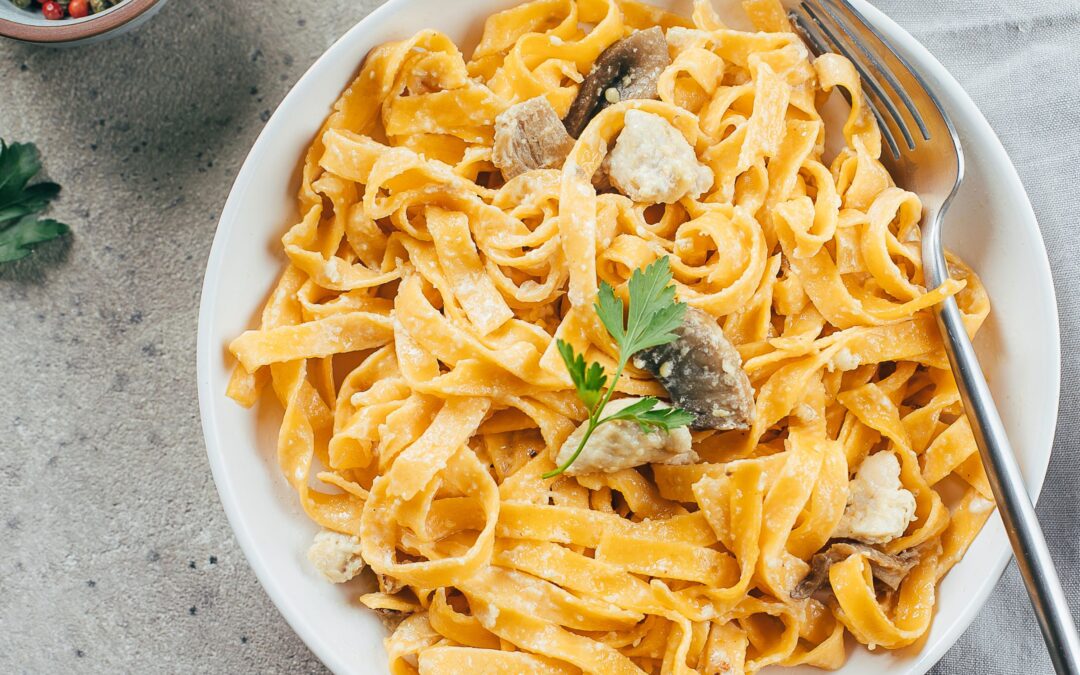
When comparing fresh pasta vs dried pasta, the difference comes down to texture, flavour, and tradition. Fresh pasta, typically made with ‘00’ flour and eggs, offers a tender, silky texture and a rich, delicate flavour, ideal for lighter sauces and filled dishes. Dried pasta, crafted from durum wheat semolina and water, delivers a firm, ‘al dente’ bite and a sturdy, wheaty taste, perfectly suited for heartier, chunkier sauces.
The Heart Of Italian Cuisine: Unpacking Fresh Pasta Versus Dried Pasta
In the world of Italian food, few topics stir as much passion as the great pasta debate: fresh pasta versus dried pasta. This isn’t just a simple choice between two products on a shelf; it’s a decision that touches the very soul of a dish. For food lovers on the Sunshine Coast and beyond, understanding this fundamental distinction is the key to discovering truly authentic flavours. The choice isn’t about which is better, but which is right for the moment, the sauce, and the desired experience.
This distinction is steeped in the rich history of Italy, reflecting a culinary map divided between the egg-rich traditions of the North and the sun-drenched, durum wheat fields of the South. Each type offers a distinct sensory experience, from the delicate, silky texture of fresh tagliatelle to the satisfyingly firm bite of dried spaghetti. At Il Vento, we live and breathe this philosophy, crafting pasta with a passion and expertise that honours these traditions.
“Pasta doesn’t need to be fancy; it just needs to be good.” – Lidia Bastianich
This guide will walk you through the details of each pasta type, from their ingredients and craftsmanship to their texture, flavour, and perfect sauce pairings. By the end, you’ll explore the secrets that improve a simple meal into a memorable dining experience, whether you’re cooking at home or joining us for an unforgettable meal with waterfront views in Mooloolaba.
Key Takeaways: Your Guide To Pasta Perfection
-
Fresh pasta is delicate and eggy, ideal for light sauces and fillings.
-
Dried pasta is firm and sturdy, great for hearty sauces and a classic ‘al dente’ bite.
-
Ingredients and production methods are the root of their differences.
-
Matching the right pasta to the right sauce is key for authentic Italian flavour.
-
Il Vento celebrates both, making sure the perfect pasta for every dish.
The Foundation Of Flavour: Ingredients And Craftsmanship
The story of any great pasta begins with its core components and the way it is made. These foundational elements dictate everything that follows—from how it feels in the mouth to the way it marries with a sauce. The contrast between a tender, egg-rich dough and a sturdy semolina creation is where the magic begins, showcasing traditional artisanal methods and precise engineering.
Fresh Pasta: A Celebration Of Eggs And ’00’ Flour
Fresh pasta is an art form built on simplicity and quality ingredients. At its heart lies ’00’ flour, a finely milled soft wheat flour that produces an exceptionally smooth and tender dough. This flour has a low ash content and a delicate protein structure, making it ideal for creating pasta that is tender yet elastic. The true star, however, is the fresh egg, which provides richness, a beautiful golden colour, and a delicate yet elastic structure. Eggs act as a natural emulsifier, binding the dough and adding to its luxurious mouthfeel.
At Il Vento’s own “Pasta Lab,” this simple mixture is prepared through a time-honoured process. The dough is kneaded by hand to develop the perfect gluten structure, giving it a signature silkiness. It then undergoes an important resting period, a step that allows the gluten to relax and ensures a wonderfully tender final texture. Finally, the soft, pliable dough is rolled into thin sheets and cut into shapes like tagliatelle, fettuccine, or pappardelle, or used to create delicate filled ravioli and tortellini. This process is all about immediacy; fresh pasta is best cooked shortly after it’s made, capturing a liveliness you can taste.
Dried Pasta: The Enduring Power Of Durum Wheat Semolina
Dried pasta tells a different story—one of resilience and structure. It is crafted from just two ingredients: durum wheat semolina and water. Semolina, a coarse flour from hard wheat, is high in protein, which is essential for creating the firm texture dried pasta is famous for. The absence of eggs results in a more sturdy character.
The production process involves forcing this dough through dies to create its shape. Premium pasta, the only kind we respect, uses bronze dies. This traditional method, known as ‘trafilata al bronzo‘, creates a rough, porous surface that is magnificent for gripping onto sauce. In contrast, mass-produced alternatives often use Teflon dies, which create a slick surface that sauce slides right off. The most important stage is the slow, low-temperature drying, which removes moisture and locks in the pasta’s structure — a process explored in depth in a recent Study of the Drying kinetics and its impact on nutritional and technological quality. This careful process, often taking days, preserves the pasta’s nutritional value and develops its complex flavour profile, allowing it to cook to a perfect ‘al dente’ bite, changing it into a pantry staple with a long and happy shelf life.
A Symphony Of Sensation: Texture, Flavour, And Mouthfeel
Once the pasta hits the plate, the true differences become apparent. The distinct ingredients and crafting methods of fresh and dried pasta result in profoundly different eating experiences. It’s a tale of two textures: the celebrated firm bite of dried pasta versus the gentle tenderness of fresh, each bringing its own subtle flavour notes to the dish.
Fresh Pasta: Delicate, Silky, And Rich In Flavour
When cooked, fresh pasta offers a luxurious and comforting experience. Its texture is wonderfully tender, silky, and often has a delicate chew. It yields easily to the bite, creating a sensation that is sometimes described as ‘pillowy’ or almost ‘melting’ in your mouth. This elegant suppleness means it doesn’t have the same firm ‘al dente’ resistance as dried pasta.
The flavour profile is also richer and more pronounced, thanks to the eggs. It carries a delicate, earthy, and distinctly ‘eggy’ taste with a subtle sweetness from the ’00’ flour. This inherent richness isn’t just a background note; it’s a key component of the dish, shining brightly alongside lighter sauces that allow its character to come forward. It’s particularly well-suited for dishes where the pasta itself is a star, rather than just a vehicle for the sauce.
Dried Pasta: Sturdy, ‘Al Dente’, And Wheat-Forward
Dried pasta is celebrated for its firm, sturdy, and satisfyingly resilient texture. When cooked to ‘al dente’ (meaning ‘to the tooth’), it provides a pleasant resistance and a substantial chew that is incredibly gratifying. It holds its shape perfectly, standing up to vigorous tossing with hearty sauces without falling apart. The mouthfeel is hearty and firm, and when made with bronze dies, its rough, porous surface creates a brilliant canvas for sauce adhesion.
Its flavour is more understated and wheat-forward, with nutty undertones. While milder than fresh pasta, a high-quality dried pasta made from superior durum wheat provides an authentic and intense wheat flavour that acts as the perfect foundation for a bold sauce to express itself. Its robust nature makes it the choice for everyday meals, providing consistency and reliability.
The Art Of Pairing: Matching Pasta To Sauce And Occasion
True Italian cooking is about harmony, and nowhere is this more important than in pairing pasta with the right sauce. The principle is simple: balance the characteristics of the pasta with the weight and flavour of the sauce. This thoughtful matching is a cornerstone of the culinary philosophy at Il Vento, making sure every dish is a perfectly composed experience.
When Fresh Pasta Finds Its Perfect Partner
The delicate nature and rich flavour of fresh pasta call for sauces that complement rather than overpower it. It is the ideal partner for lighter, more refined creations. Think of creamy or butter-based sauces, like a simple sage and butter sauce that allows the pasta’s flavour to sing. It also pairs beautifully with pesto, where the fresh herbs and silky pasta can shine together, or a traditional carbonara with its rich egg yolk sauce. This is the quintessential choice for filled pasta; our hand-pinched Ravioli at Il Vento relies on this tender casing to encase flavourful fillings. Fresh pasta sheets are also perfect for creating the soft, comforting layers in a traditional lasagne or cannelloni. It’s often reserved for special occasions or when you desire a luxurious, artisanal dish that feels truly special.
Why Dried Pasta Improves Hearty Dishes
With its firm structure and ‘al dente’ bite, dried pasta is built to handle more substantial sauces. It is the undisputed champion for hearty, meat-based ragùs like a classic Bolognese, or rich, chunky tomato sauces like amatriciana or puttanesca. Its sturdy nature means it won’t turn to mush under the weight of heavy ingredients. The magic of bronze-die dried pasta is its rough surface, which is specifically designed to grab and hold onto every drop of these textured sauces. Specific shapes are engineered for certain jobs; tubes like rigatoni are perfect for trapping chunky sauces, while long strands like spaghetti are ideal for oil-based seafood dishes, such as a classic spaghetti alle vongole (clams) or a peppery cacio e pepe, making sure every mouthful is packed with flavour.
Practical Considerations: Cooking, Storage, And Cultural Roots
Beyond the plate, practical differences in cooking and storage, along with deep-seated cultural traditions, guide the choice between fresh and dried pasta. Understanding these aspects adds another layer of appreciation for this beloved Italian staple.
Here are some key practical points:
-
Cooking Time: Fresh pasta cooks rapidly, often in just one to seven minutes, because of its higher moisture content. It requires close attention, as it can go from perfect to overcooked in a flash. Dried pasta needs more time in boiling water, typically eight to twelve minutes, to rehydrate and soften to the perfect ‘al dente’ stage. It’s more forgiving if you get distracted for a moment.
-
Yield: Fresh pasta expands less during cooking than dried pasta, so you might need a slightly larger quantity for a similar serving size.
-
Storage and Shelf Life: Fresh pasta has a limited shelf life, usually only a few days in the refrigerator or a few months if frozen. Dried pasta, thanks to its low moisture content, is a pantry staple that can last for years when stored properly.
-
Cost: Due to the labour-intensive production and perishable ingredients, fresh pasta often carries a higher price tag than its dried counterpart.
-
Starchy Water: An important tip from our kitchen: the starchy water left over from cooking dried pasta is liquid gold for emulsifying and thickening your sauce, helping it cling beautifully to every strand.
Cultural Heritage And Regional Specialities
These two pasta styles are deeply rooted in Italy’s geography and history. Fresh, egg-rich pasta is historically associated with the fertile, agricultural regions of Northern Italy, like Emilia-Romagna, the home of tagliatelle and tortellini. Families in these areas often had easy access to fresh eggs and soft wheat.
In contrast, dried pasta became the staple of Southern Italy. The hot, dry climate of regions like Campania and Puglia was perfect for air-drying pasta made from the abundant local durum wheat, creating a long-lasting food source that could be stored and transported. At Il Vento, we honour these distinct regional traditions, making sure our dishes reflect the authentic heritage of Italian cuisine.
The Il Vento Difference: Our Passion For Authentic Pasta
At Il Vento, our philosophy is simple: pasta is the soul of our kitchen, and authenticity is everything. That’s why our dedicated “Pasta Lab” comes to life every morning, where our chefs craft our daily house-made fresh pasta. Using the finest ’00’ flour and fresh eggs, we hand-roll our dough to create a naturally porous texture that generic, smooth supermarket pasta simply can’t match. This ensures our sauces don’t just sit on top but cling to every single strand.
We also understand that some dishes call for the specific texture and resilience of high-quality dried pasta. For these, we carefully select premium bronze-die extruded varieties that offer the ideal ‘al dente’ bite and sauce adhesion. We follow traditional Italian discipline, carefully selecting the right pasta shape for each sauce to create a harmonious balance of flavour and texture. For us, it’s about providing real Italian flavour without compromise.
Conclusion
Neither fresh nor dried pasta is superior; they both hold a vital and cherished place in the rich tapestry of Italian cuisine. The true art lies in understanding their distinct qualities and choosing the right one for the right dish. We invite you to experience this thoughtful approach firsthand at Il Vento, where every plate is a celebration of authentic pasta, right here in Mooloolaba.
FAQs
Is Fresh Pasta Healthier Than Dried Pasta?
Both are healthy in moderation — a view echoed by the international scientific community, as highlighted on WORLD PASTA DAY 25, where researchers confirmed that pasta is genuinely good for you. Fresh pasta has more fat and cholesterol from eggs but slightly more protein. Dried pasta made from durum wheat has more fibre and is lower in fat. The overall health of the dish depends more on the sauce and portion size.
Which Pasta Is Better For Absorbing Sauce?
High-quality dried pasta, especially a bronze-die extruded variety, has a rough, porous surface that is excellent for clinging to hearty sauces. Fresh pasta’s naturally tender texture also adheres beautifully to lighter, creamy sauces, allowing them to coat each strand effectively.
Can I Substitute Fresh Pasta For Dried Pasta In Any Recipe?
It’s not always advisable. Fresh pasta cooks much faster and has a delicate texture; substituting it in a recipe designed for dried pasta’s longer cooking time may lead to an overcooked, mushy dish. Always consider the sauce and preparation method, as the pasta’s structure plays a significant role in the final dish’s success.
What Is The Main Taste Difference Between Egg Pasta And Semolina Pasta?
Egg pasta (typically fresh) has a richer, more delicate, and subtly ‘eggy’ flavour that adds its own character to a dish, often with a hint of sweetness. Semolina pasta (typically dried) offers a more sturdy, wheaty, and slightly nutty taste, acting as a perfect neutral base for a bold sauce to truly express itself.