

Pasta shapes and sauces work best together when their texture and weight match. Fine strands suit light seafood or olive oil sauces, wide ribbons hold slow-cooked ragù, ridged tubes catch chunky sauces, and filled pasta benefits from a simple dressing that lets the filling stand out.
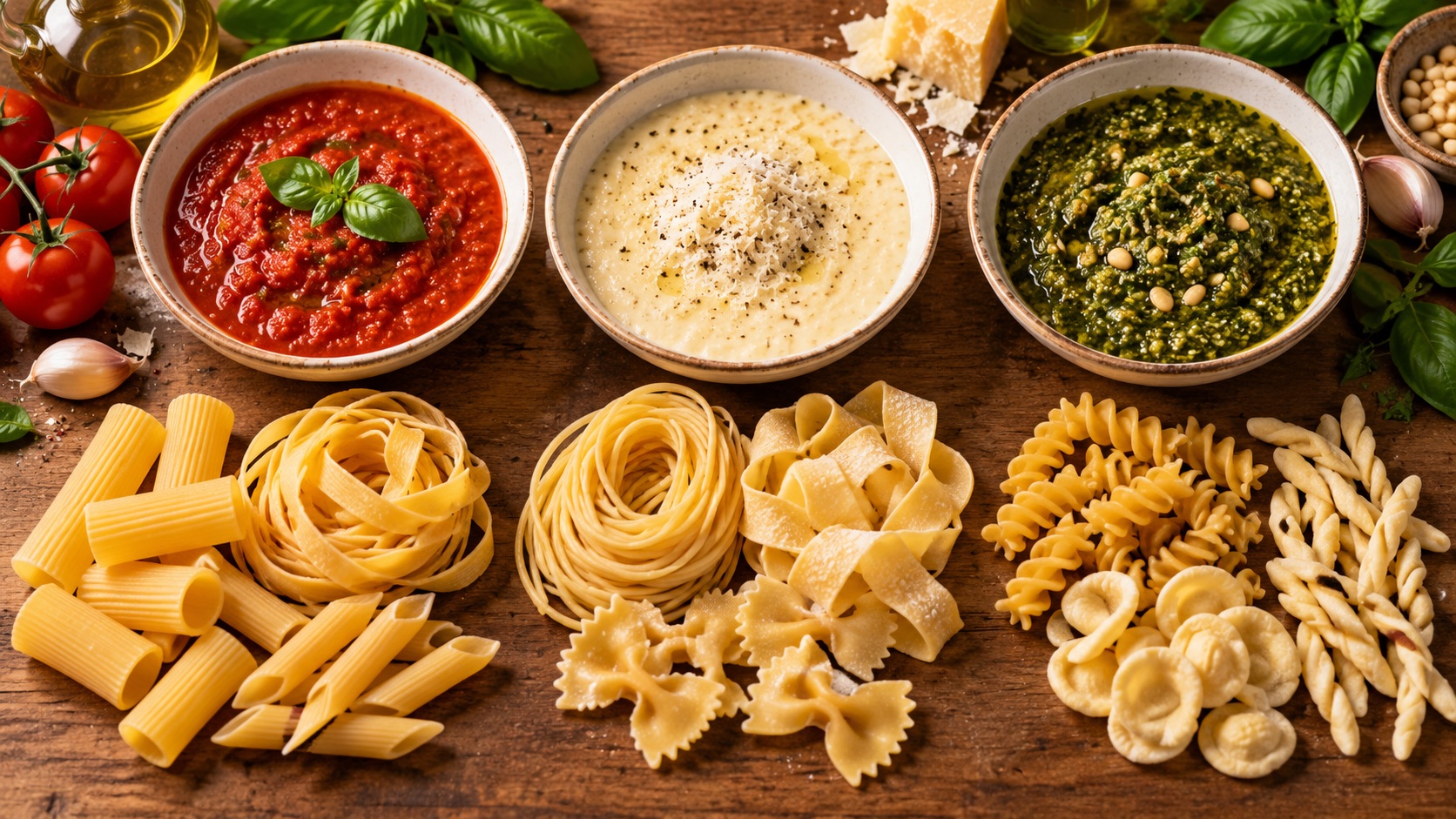
Shape matters because every ridge, hollow and flat surface changes how sauce sits on pasta. A good pairing gives each forkful enough sauce for flavour without leaving a puddle on the plate or masking the pasta itself.
At Il Vento Italian Restaurant & Woodfire Pizza, Mooloolaba, diners can use these Italian pairing principles when reading the current menu. This guide explains practical pasta and sauce matches for home cooks and restaurant diners.
Key Takeaways
Wide ribbons suit slow-cooked ragù. Tagliatelle holds a fine meat sauce across its surface, while pappardelle works with fuller pieces of braised meat.
Linguine and spaghetti suit seafood and olive oil sauces. Their fine shape keeps prawns, lemon and herbs in balance. Ridged tubes work better when sauces contain chunks.
Filled pasta needs a light touch. Sage butter, herbs or light tomato sugo keep ravioli filling front and centre. Fresh and dried pasta also bring different textures to the plate.
Why Pasta Shape Matters When Pairing Pasta And Sauce
Pasta shape matters because its surface, thickness and structure affect how well sauce clings. The best pasta shapes and sauces feel balanced, with the sauce coating each piece rather than hiding it. Smooth strands suit fluid sauces with small ingredients, while ridges, curls and hollow centres suit thicker sauces with meat, vegetables or cheese.
Italian cooking treats pasta as part of the sauce, not merely a base beneath it. Wide shapes carry more sauce, and thicker pasta holds its bite beside a hearty ragù. The aim is simple: match the sauce’s weight to the pasta’s strength.
How Do Texture And Surface Shape Hold Sauce?
Texture helps pasta hold sauce through contact points on its surface. Smooth spaghetti suits oil, tomato and finely cut seafood, while ridged rigatoni gives thick sauces more grip. Tubes and shells also hold peas, mince and vegetables, so flavour stays on the pasta instead of settling at the bottom.
Fresh Vs Dried Pasta: Which Suits Each Sauce?
Fresh pasta is soft, tender and quick to cook, making it a good match for delicate ribbons, filled pasta and gentle sauces. Dried pasta has a firmer bite, so it suits baked dishes, sturdy tubes and substantial ragù. Neither type is better in every dish because each brings a different feel to the plate.
Pasta water also matters, and educational resources on pasta and sauce basics explain how its starch helps fat and water combine into a smooth coating, a process called emulsification. Reserve a little cooking water and toss it through the sauce and pasta just before serving.
Tip: Add pasta to the sauce rather than spooning sauce over plain pasta. Tossing them together helps the sauce coat each piece.
Pasta Shapes And Sauces: The Practical Matching Table
Pasta shapes and sauces pair best when the sauce can settle into the pasta without weighing it down. Use this table as a quick guide, then adjust for sauce texture, serving size and ingredients.
| Pasta Shape | Best Sauce Styles | Why The Match Works | Serving Idea |
|---|---|---|---|
| Spaghetti | Light tomato, garlic, chilli, seafood | Fine strands coat well with fluid sauces | Tomato, basil and Pecorino Romano |
| Linguine | Prawns, shellfish, lemon, olive oil | Flat strands carry seafood and herbs | Prawns with garlic and lemon |
| Tagliatelle | Beef ragù, mushrooms, rich vegetables | Broad ribbons hold slow-cooked sauce | Bolognese-style ragù |
| Pappardelle | Duck, lamb, mushroom, game | Wide pasta supports deep flavours | Braised lamb ragù |
| Penne Or Rigatoni | Arrabbiata, sausage, baked cheese sauces | Ridges and tubes catch chunky sauce | Rigatoni with roasted vegetables |
| Fusilli | Pesto, tuna, olives, vegetables | Spirals catch small ingredients | Basil pesto with green beans |
| Ravioli | Sage butter, herbs, light tomato | Simple sauce lets filling stand out | Ricotta and spinach ravioli |
| Gnocchi | Mushroom, pesto, Gorgonzola, tomato | Soft dumplings need coating, not flooding | Brown butter and sage |
Long Pasta For Seafood, Oil-Based Sauces And Ragù
Long pasta works best when the sauce can travel along each strand. Spaghetti suits tomato and basil, garlic, olive oil, chilli, light seafood sauces and carbonara made with egg yolk, guanciale and Pecorino Romano. Linguine has a flatter shape, making it a natural fit for seafood pasta with prawns, shellfish, lemon and herbs.
Tagliatelle holds slow-cooked beef or pork ragù, mushrooms and rich vegetable sauces. Pappardelle suits duck, lamb, game and braised meat, while capellini needs fresh tomato, lemon butter or delicate seafood.
These are pairing principles, not a claim that every listed combination is served at Il Vento Italian Restaurant & Woodfire Pizza, Mooloolaba. Check the current menu for available pasta dishes.
Short, Filled And Soft Pasta For Rich Or Delicate Sauces
Short pasta is useful when sauce has pieces that need somewhere to sit. Penne and rigatoni suit arrabbiata, sausage, roasted vegetables, creamy mushroom sauces and baked pasta because their ridges and centres collect flavour. Fusilli and orecchiette also suit pesto, greens, tuna, olives and finely cut vegetables.
Ravioli and tortellini need sage-infused brown butter, herbs, light tomato sugo or a restrained cream sauce. The filling should remain the main flavour, not disappear under a heavy sauce. Gnocchi works with Gorgonzola cream, pesto, tomato and mozzarella, mushrooms or brown butter and sage.
The practical rule remains the same: chunkier sauces need ridges, curls or hollows, while smooth sauces can coat flatter or finer shapes.
Match Sauce Families To The Right Pasta
Sauce families provide a simple way to choose pasta when the sauce comes first. Tomato, ragù, cream, pesto, seafood and vegetable sauces each need a shape with the right amount of surface and strength. Avoid placing a dense meat ragù on very fine pasta because the sauce can overpower each strand.
Sauce texture matters as much as flavour. Fresh tomato and olive oil move easily around smooth pasta, while roasted vegetables and cheese need grooves or tubes. The pasta should remain noticeable in every mouthful.
Tomato, Ragù, Cream And Pesto Pairings
Fresh tomato works with spaghetti, linguine and lighter short shapes, while chunky tomato sauces suit penne, rigatoni and fusilli. Broad ribbons remain a classic choice for Bolognese-style ragù, though rigatoni also suits a chunkier version. Cream and cheese pair well with tagliatelle, fettuccine, rigatoni and gnocchi, while pesto suits linguine, fusilli and orecchiette.
Traditional carbonara does not use cream. It relies on egg yolk, guanciale, Pecorino Romano, black pepper and pasta water. The result should lightly coat the pasta rather than sit as a thick cream sauce.
Seafood, Vegetable And Dietary-Inclusive Pairings
Seafood suits linguine, spaghetti or fine ribbons with garlic, chilli, olive oil, lemon, tomato or a light wine sauce. Silky vegetable purées work with ribbons or gnocchi, while chunky vegetables suit tubes and curls. Vegetarian pasta dishes may use ricotta-filled pasta, pesto, mushrooms, tomato or seasonal vegetables.
For vegan, gluten-free, allergy or coeliac requirements, confirm ingredients and kitchen preparation directly with staff before ordering. Menu options and preparation methods can change.
Editorial review note: Confirm current dietary options, ingredient details and cross-contact guidance with Il Vento Italian Restaurant & Woodfire Pizza, Mooloolaba before publishing any restaurant-specific dietary claims.
How To Choose A Pasta Dish At Il Vento In Mooloolaba
Choosing a pasta dish starts with the occasion, appetite and sauce style. A lighter seafood pasta can suit a relaxed meal, while ragù and broad ribbons may suit diners seeking a fuller, slower meal. Filled pasta can be a good option when the focus is on a more delicate combination of pasta, filling and sauce.
pasta can sit alongside, pasta can sit alongside other dishes to give the table more variety. This is a general ordering approach, not a fixed menu recommendation. Ask staff what pasta dishes are available, what the sauce contains and why the kitchen has matched that shape with that sauce.
Choose By Occasion, Appetite And Sauce Style
For a relaxed dinner, consider a light seafood pasta with lemon, herbs and olive oil. Families and groups may prefer familiar spaghetti, penne or fusilli alongside shared dishes. Where available, choose tagliatelle or pappardelle with ragù for comfort, or linguine with seafood, tomato and garlic for a lighter meal.
Use The Menu And Wine Guidance Confidently
Check the current Il Vento menu before visiting, as dishes may change. Sangiovese or Barbera can suit tomato-based sauces, while crisp crisp Pinot Grigio or Vermentino can suit seafood, cream or cheese dishes. Staff may be able to suggest a wine based on the exact pasta and sauce selected.
Editorial review note: Confirm current wine service and staff guidance practices before making restaurant-specific recommendations.
To Sum Up
Pasta shapes and sauces belong together when texture and weight match. Use ribbons for ragù, long thin pasta for seafood and olive oil sauces, ridged tubes for chunky tomato or cheese sauces, and simple dressings for filled pasta.
The next pasta choice can be guided by one useful idea: sauce should cling, not drown. Whether cooking at home or ordering from Il Vento Italian Restaurant Pizza, Mooloolaba, thoughtful pairing helps the ingredients taste clearer and the dish feel more balanced.
Frequently Asked Questions
What Pasta Shape Is Best For Bolognese?
Tagliatelle is a classic pasta for Bolognese-style ragù because its broad surface holds the slow-cooked sauce well. Pappardelle also works for a fuller ragù, while rigatoni suits versions with larger pieces of meat or vegetables.
Why Does Sauce Slide Off Pasta?
Sauce can slide off when pasta is too smooth, sauce is too thin or both are served separately. Reserve a little pasta water, then toss the pasta and sauce together before serving. The sauce should coat the pasta rather than flood the plate.
Is Linguine Better Than Spaghetti For Seafood Pasta?
Linguine often suits seafood because its flatter surface holds olive oil, herbs and small seafood pieces well. Spaghetti also works with lighter seafood sauces. Sauce weight matters more than a rigid rule, so delicate preparations suit either shape.
What Sauce Should You Serve With Ravioli?
Serve ravioli with a simple sauce that lets the filling remain the main flavour. Sage butter, light tomato sugo, herbs or a restrained cream sauce are good choices. Heavy sauces can hide the ricotta, pumpkin, mushroom or meat inside.
Can You Pair Red Wine With Seafood Pasta?
Crisp white wine is usually a safe choice for delicate seafood pasta. A light red can work with a tomato-rich seafood sauce, depending on the dish. Ask staff for a wine match based on the sauce, seafood and level of spice.