

Traditional Italian lasagna Sunshine Coast diners seek is rooted in regional Italian cooking, particularly Emilia-Romagna. Thin pasta, slow-cooked ragù, béchamel, aged cheese and careful baking create its character. A good version relies on balance and method rather than a fixed recipe, oversized portion or excessive topping.
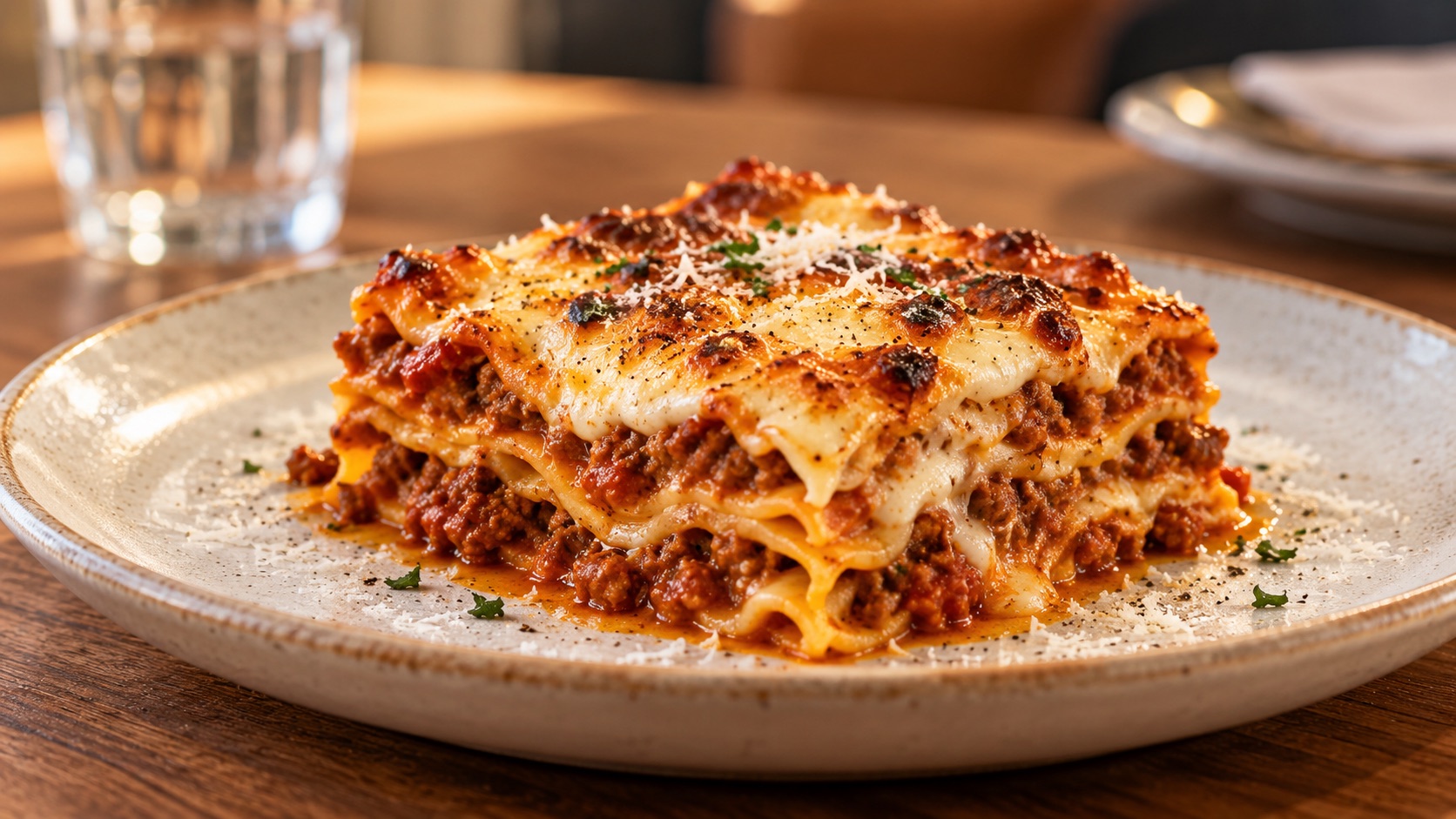
Il Vento Italian Restaurant & Woodfire Pizza, Mooloolaba, follows a broader Italian pasta philosophy based on simple food, sound ingredients and time-honoured methods. This guide covers lasagna’s origins, ragù, signs of rushed preparation and practical menu checks.
Key Takeaways
Lasagna has strong roots in Bologna and Emilia-Romagna. Other Italian regions use different sauces, cheeses and fillings. Regional context matters more than a single recipe.
Ragù needs time, tender meat and softened aromatic vegetables. It should taste savoury and rounded, not like quick mince in tomato sauce. Tomato supports the meat rather than hiding it.
Traditional Italian lasagna Sunshine Coast searches should focus on balance. Excess cheese, watery layers and greasy surfaces are warning signs. Check the current menu before making plans.
Where Do Lasagna and Ragù Come From?
Lasagna and ragù come from Italy’s regional food traditions, with lasagne al forno closely linked to Bologna and Emilia-Romagna. Traditional Italian lasagna Sunshine Coast diners often recognise this northern style through ragù, béchamel and grated hard cheese. Bologna’s version uses fresh egg pasta and a meat-led sauce, yet it is not Italy’s only valid baked pasta tradition. Across Italy, family recipes reflect local produce, climate and household habits, a pattern documented in a regional Italian recipe dataset that catalogues gastronomic preferences across the country.
Why Is Bologna Closely Linked With Classic Lasagne?
Bologna sits in Emilia-Romagna, a region known for fresh egg pasta, ragù alla Bolognese and rich baked dishes. Many classic versions use thin green sheets made with spinach, although plain pasta sheets are also traditional.
Béchamel, called besciamella in Italian, brings softness between the pasta and sauce. The ragù often has less tomato than many Australian diners expect, which lets the meat, carrot, celery and onion remain clear.
How Do Regional Italian Lasagnas Differ?
Northern lasagnas often centre on ragù, béchamel and Parmigiano-Reggiano. Southern styles may feature brighter tomato, mozzarella, ricotta, vegetables, eggs or small meatballs. Both can be authentic lasagna when the recipe respects local custom, proportion and sound cooking.
What Makes Up An Authentic Italian Lasagna?
An authentic Italian lasagna uses layered pasta, ragù, béchamel and cheese in measured amounts. Traditional Italian lasagna Sunshine Coast meals should feel tender, savoury and settled on the plate, rather than dry or overly rich. Each part has a job, so no layer should overwhelm the rest. A good portion holds together while still yielding easily to a fork.
Pasta Sheets, Ragù, Béchamel And Cheese
house-made pasta give the dish structure. fresh pasta vs dried and silky, while good dried pasta also works when the sauce has enough moisture. Ragù begins with soffritto, a gently cooked base of onion, carrot and celery, then develops slowly with meat and liquid.
Béchamel is a white sauce of butter, flour and milk, and a detailed Bolognese lasagna recipe shows how layers of slow-cooked ragù and besciamella come together before baking. Parmigiano-Reggiano or another aged Italian cheese adds savoury depth and a light golden crust.
| Component | Role | Signs Of Balance | Signs Of Poor Preparation |
|---|---|---|---|
| Pasta | Holds layers together | Tender with shape | Rubbery or mushy |
| Ragù | Adds savoury depth | Moist and meat-led | Watery or one-note |
| Béchamel | Adds softness | Smooth and light | Pasty or heavy |
| Cheese | Finishes the bake | Golden and measured | Oily or excessive |
Why Do Layering, Baking And Resting Matter?
Even layers and controlled sauce moisture help lasagna hold its shape. Resting after the oven lets the sauces settle before serving. The top should be golden and lightly crisp, not burnt or buried under too much cheese.
How Can You Tell Authentic Lasagna From An Imitation?
Authentic lasagna shows patience through clear flavours, even layers and a ragù with depth. Traditional Italian lasagna Sunshine Coast diners can judge preparation by texture and balance, not by size alone. A generous serve can still be well made, but more cheese or sauce does not make it more Italian. Personal taste differs, yet watery filling, greasy surfaces and rushed sauce point to poor preparation.
What Should Traditional Ragù Taste And Look Like?
Traditional ragù tastes savoury, rounded and moist enough to nourish the pasta during baking. It is not quick mince stirred through a thick tomato sauce. Tender meat and softened vegetables should remain noticeable.
Many Italian ragù styles use tomato with restraint. Too much liquid makes layers slide apart, while an overly reduced sauce can leave pasta dry. The best result sits between those extremes.
Common Signs Of A Shortcut Lasagna
Shortcut lasagna often hides its filling under too much cheese or a cream-heavy sauce. A thick tomato mince layer may taste pleasant, but it does not have the depth of a slow-developed ragù.
| Authentic Approach | Shortcut Warning Sign |
|---|---|
| Balanced cheese topping | Cheese hides every layer |
| Moist, settled ragù | Watery filling |
| Tender pasta sheets | Rubbery pasta |
| Lightly browned top | Greasy or burnt surface |
Generosity comes from good proportion, not a towering slice. A well-made lasagna lets pasta, sauce, béchamel and cheese each remain distinct.
Finding Traditional Italian Lasagna On The Sunshine Coast
Finding traditional Italian lasagna on the Sunshine Coast starts with checking a restaurant’s food approach and current menu. Locals, visitors, couples and groups can look for fresh pasta, clear ingredient details and staff who can explain regional dishes. best Italian restaurant Sunshine Coast Pizza, Mooloolaba, presents Italian pasta and sauce through imported staples and fresh Sunshine Coast produce. That approach suits diners who value authentic Italian restaurant guide without assuming a specific lasagna is available.
What Should Diners Check Before Ordering?
Check whether traditional Italian lasagna Sunshine Coast options appear on the current Il Vento menu before visiting, because dishes may change. Guests with dietary needs should contact the restaurant. Editorial review note: add the verified booking route before publication.
Il Vento’s Approach To Italian Pasta And Sauce
Il Vento makes fresh pasta restaurant in its Pasta Lab with premium Italian 00 flour. Its kitchen uses authentic Italian ingredients, PDO cheeses from Parma and fresh Sunshine Coast produce. This reflects semplicità e qualità: simple food, quality ingredients and respect for established Italian methods.
In Summary
Traditional lasagna depends on regional Italian practice, balanced layers and slow-cooked ragù. Excess cheese, a watery centre or a thick quick mince sauce can signal imitation rather than careful preparation. Traditional Italian lasagna Sunshine Coast searches should focus on texture, ingredients and method.
Before a meal in Mooloolaba, review the current menu and ask about dishes that matter to the occasion. Il Vento provides an Italian dining experience for meals with family, friends or a partner.
Frequently Asked Questions
Traditional Italian lasagna Sunshine Coast diners often have practical questions about ingredients, regional terms and serving texture. These answers explain the main points without treating one Italian recipe as the only valid version.
Is Traditional Italian Lasagna Made With Béchamel?
Yes. Béchamel is common in Emilia-Romagna-style lasagna. This smooth sauce balances ragù and helps the pasta stay moist. Other Italian versions may use ricotta, mozzarella or different sauces, and those regional changes do not make a dish inauthentic.
What Is The Difference Between Ragù And Bolognese Sauce?
Ragù is a broad Italian term for a slow-cooked sauce, often with meat. Ragù alla Bolognese is a specific Bologna style. It is usually meat-led and balanced, rather than a quick tomato mince sauce.
Why Does Lasagna Fall Apart When Served?
Lasagna can fall apart because of excess liquid, uneven layers or slicing too soon. Resting after baking helps sauces settle and portions hold together. Vegetable fillings also need moisture control, particularly spinach, mushroom or courgette versions.
Is Lasagna Or Lasagne The Correct Term In Australia?
Both lasagna and lasagne are widely understood in Australia. Lasagne reflects the Italian plural form and appears often in Australian food writing. Either word can describe the same layered baked pasta dish on a menu.